Next Meeting: 10/01/2026, @ Messenger Road Smethwick West Midlands B66 3DX

Our Activities

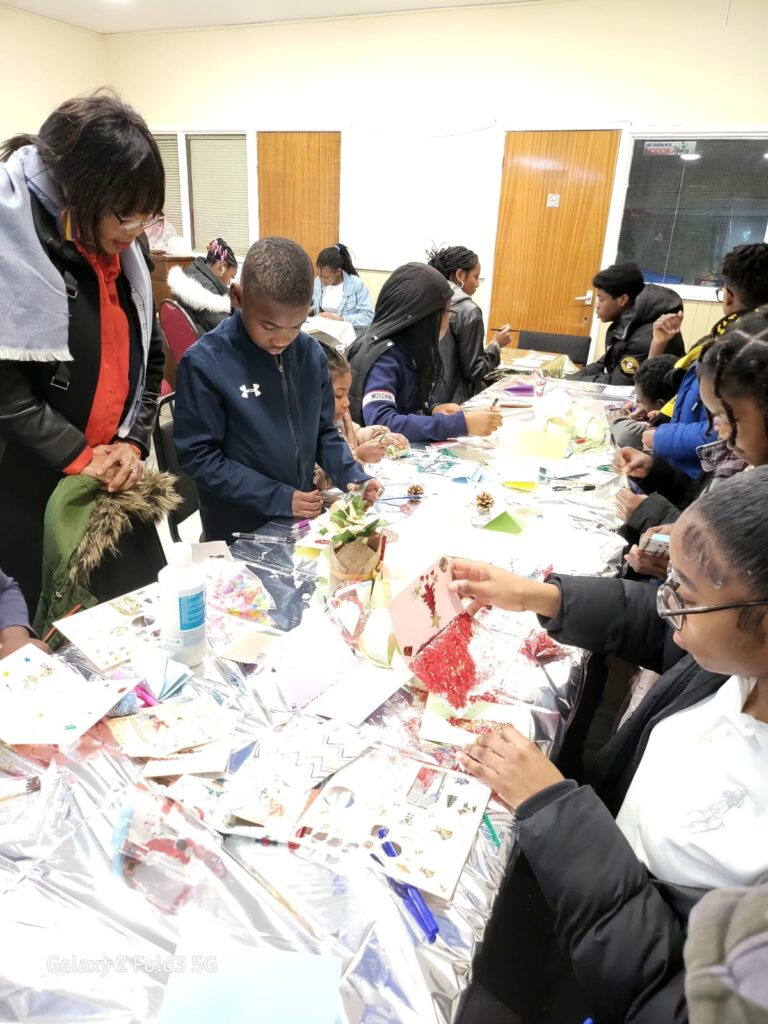
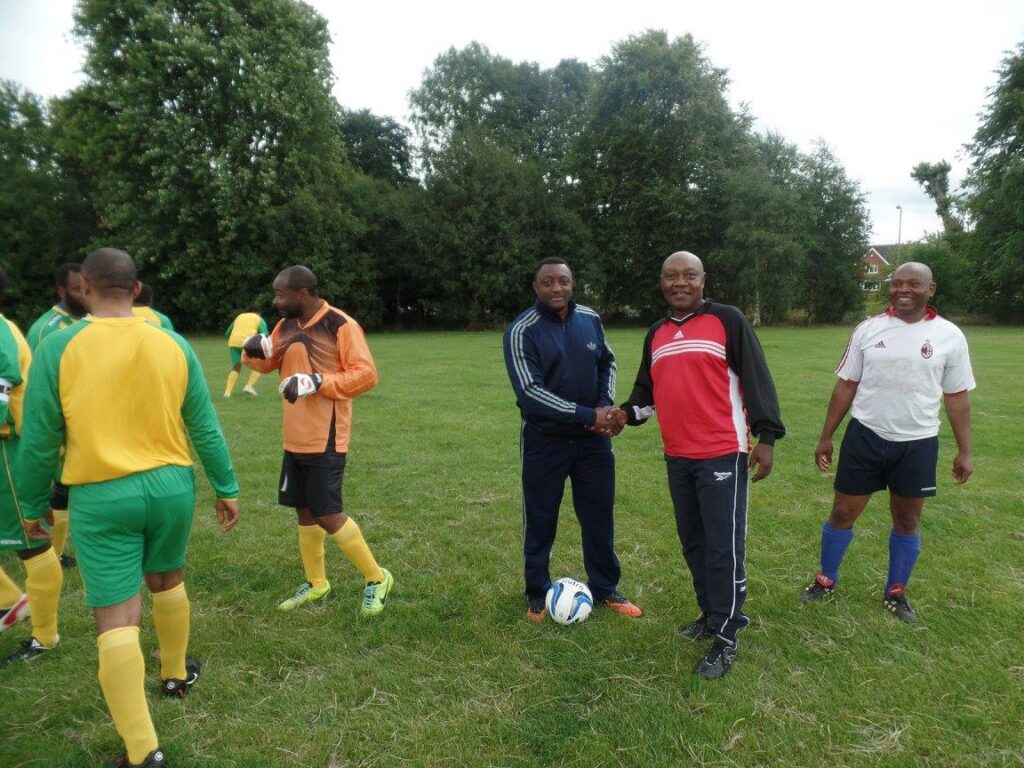
Monthly Activities

Overview:

The Menoua Family UK continues to uphold its mission of fostering unity, cultural preservation, and community development among members of the Menoua diaspora in the United Kingdom. Each month, the executive bureau diligently plans and coordinates a series of activities aimed at promoting educational growth, cultural awareness, and traditional values. These initiatives are carried out through both short-term engagements and long-term strategic projects.

Activity Planning and Execution:

All activities are organized under the leadership of the executive bureau, which meets regularly to assess community needs, propose initiatives, and oversee implementation. Monthly programs are designed to be inclusive, engaging, and impactful, ensuring participation across age groups and interests.

Key Focus Areas:

  1. Educational Initiatives:

    • Workshops and seminars on topics such as the MFUK twentieth anniversary, the development, academic excellence, and youth mentorship.
    • The YEMBA language preservation programs, including sessions on local dialects and storytelling traditions.
    • Support for all registered members through hard and soft times, advice information, and networking opportunities.
  2. Cultural and Traditional Engagements:

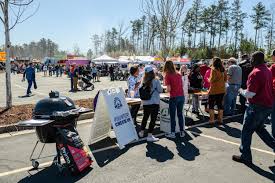
    • Cultural evenings featuring traditional music, dance, attire, and cuisine.
    • Celebrations of significant cultural festivals and historical commemorations.
    • Intergenerational dialogue sessions to pass down ancestral knowledge and customs.
  3. Community Development Projects:

    • Short-term projects such as fundraising for local causes or organizing community clean-up days.
    • Long-term initiatives including partnerships with other diaspora organizations, development of cultural centers, and advocacy for community representation.

Impact and Participation:

Each month sees growing engagement from members, with activities tailored to reflect the evolving interests and needs of the community. Feedback mechanisms are in place to ensure continuous improvement and relevance of the programs.

Looking Ahead:

The executive bureau remains committed to expanding the reach and depth of its activities. Upcoming plans include launching a mentorship program for young professionals, organizing a cultural heritage exhibition, and initiating collaborative projects with local UK-based NGOs.

CULTURE & TRADITION
EDUCATION & WELLNESS
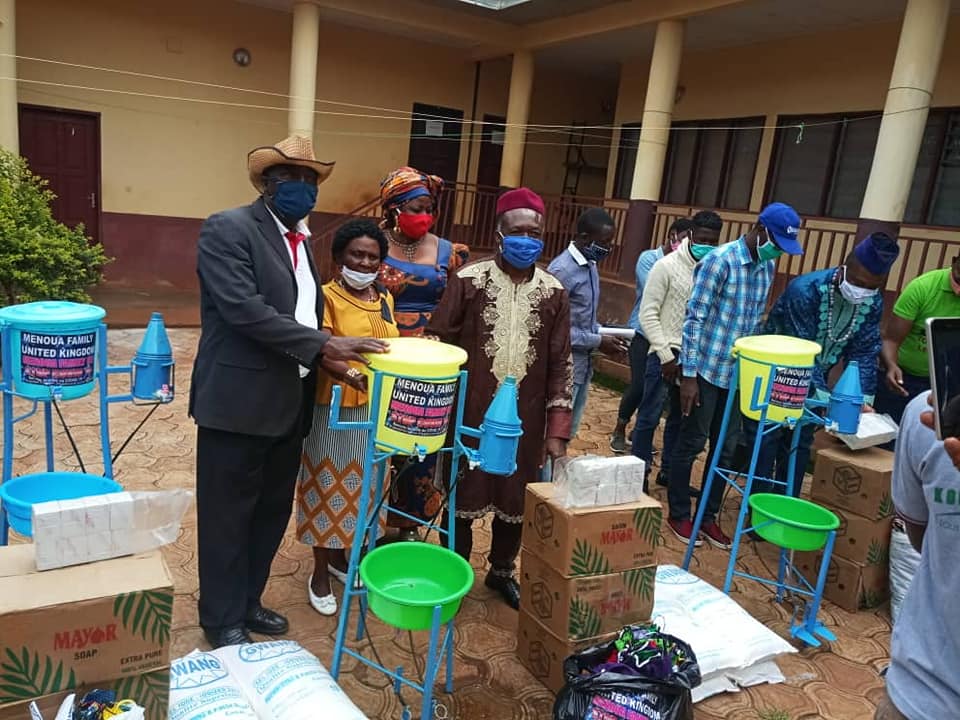
DONATIONS

What is Culture?

Culture refers to the shared beliefs, values, customs, behaviours, and material objects that characterise a particular group or society. It is a broad concept that includes:

  • Language and Communication
  • Arts and Literature
  • Social Norms and Etiquette
  • Religion and Moral Codes
  • Food, Clothing, and Lifestyle

Culture is dynamic—it evolves over time through socialisation, education, and interaction with other cultures. It shapes how people think, behave, and relate to one another. Anthropologist Edward Tylor famously defined culture as “that complex whole which includes knowledge, belief, art, morals, law, custom, and any other capabilities and habits acquired by man as a member of society.” 


What is Tradition?

Tradition is the transmission of customs, beliefs, or practices from one generation to another. It is more specific than culture and often involves rituals, ceremonies, and symbolic acts that carry historical or cultural significance. Examples include:

  • Celebrating Christmas or Diwali
  • Wedding customs like wearing white in Western cultures or red in Chinese weddings
  • Family rituals such as Sunday dinners or annual festivals

Traditions tend to remain relatively stable over time, though they can adapt slightly to modern contexts. They serve as a bridge between the past and present, preserving heritage and fostering continuity.


Key Difference Between Culture and Tradition

  • Scope: Culture is broad and includes language, art, values, and social norms; tradition focuses on specific practices or beliefs handed down over time.
  • Evolution: Culture changes and adapts more readily; traditions often remain stable, with minor modifications.
  • Transmission: Culture spreads through socialisation and shared experiences; tradition is passed down through rituals, oral history, and repeated customs.

What is Education?

Education is far more than formal schooling; it is a lifelong process of acquiring knowledge, skills, values, and attitudes that enable individuals to function meaningfully within society. At its core, education involves:

  • Knowledge Transfer and Transformation
    Education is not just about memorising facts; it is about cultivating intellect, character, and awareness. It draws out latent abilities rather than simply filling the mind with information. 

  • Holistic Development
    Comprehensive education addresses cognitive, emotional, social, and ethical dimensions. It prepares individuals for life, not just for exams, by fostering critical thinking, creativity, and empathy. 

  • Forms of Education

    • Formal: Structured learning in schools and universities.
    • Non-Formal: Organised learning outside traditional institutions (e.g., community workshops).
    • Informal: Everyday experiences and interactions that shape understanding. 
  • Purpose of Education

    • Intellectual Empowerment: Equips individuals with reasoning and analytical skills.
    • Social and Moral Development: Instils values like justice, cooperation, and respect for diversity.
    • Economic Advancement: Enhances employability and drives innovation. 

Historically, education evolved from survival skills in prehistoric societies to holistic systems in Ancient Greece (Paideia), which emphasised mind, body, and spirit. 


What is Wellness?

Wellness is an active, ongoing process of making choices that lead to holistic health and well-being. Unlike health, which is often seen as the absence of disease, wellness is about thriving physically, mentally, socially, and spiritually.

  • Definition
    The Global Wellness Institute defines wellness as “the active pursuit of activities, choices, and lifestyles that lead to a state of holistic health”. 

  • Key Characteristics

    • Active Process: Wellness is dynamic, requiring conscious decisions and actions.
    • Holistic Nature: It encompasses multiple dimensions—physical, mental, emotional, spiritual, social, occupational, and environmental. 
  • Dimensions of Wellness

    1. Physical: Exercise, nutrition, sleep.
    2. Emotional: Managing feelings and stress.
    3. Mental/Intellectual: Continuous learning and creativity.
    4. Spiritual: Seeking meaning and purpose.
    5. Social: Building healthy relationships.
    6. Occupational & Financial: Finding purpose and stability in work.
    7. Environmental: Living in harmony with surroundings. 
  • Why Wellness Matters
    It is not about perfection but progress—like tending a garden rather than completing a puzzle. Wellness empowers individuals to live fulfilling lives and adapt to challenges. 


Education vs Wellness: How They Interconnect

Education and wellness are deeply intertwined:

  • Education Promotes Wellness
    Schools that integrate health education, mental health awareness, and physical activity foster healthier minds and bodies. Educated individuals make informed choices about diet, exercise, and mental health. 

  • Wellness Enhances Learning
    Students who are physically healthy and emotionally stable perform better academically. Wellness initiatives in education reduce dropout rates and improve engagement. 

  • Societal Impact
    Education and wellness together create resilient communities. UNESCO emphasises that learners who receive quality education are more likely to be healthy, and healthy learners achieve better educational outcomes. 


Why Both Are Essential

  • Education equips individuals with tools for intellectual and economic empowerment.
  • Wellness ensures those individuals can thrive physically, mentally, and socially. Together, they form the foundation for personal fulfilment, social equity, and sustainable development.

What is a Donation?

A donation is a voluntary gift—usually in the form of money, goods, services, or time—given by an individual or organisation to support a cause, charity, or community initiative without expecting anything in return. Donations differ from commercial transactions because they are motivated by altruism, empathy, and social responsibility rather than profit.

Forms of Donations

  • Monetary Donations: Cash contributions to charities or nonprofits.
  • In-kind Donations: Goods such as clothing, food, or equipment.
  • Service Donations: Professional skills offered pro bono.
  • Time Donations: Volunteering for community projects. 

Purpose of Donations

Donations serve multiple purposes, both for society and for donors:

1. Addressing Social Needs

Donations fund essential services like education, healthcare, disaster relief, and poverty alleviation. They help organisations respond to urgent needs such as hunger, homelessness, and medical emergencies.

2. Strengthening Communities

Charitable giving supports local programmes, youth development, and grassroots initiatives, fostering resilience and social cohesion. It bridges gaps where government funding falls short, ensuring vital services continue. 

3. Promoting Equity and Justice

Donations empower organisations working on human rights, environmental conservation, and social justice, creating a fairer society. 

4. Personal Fulfilment

Giving provides emotional rewards—boosting happiness, reducing stress, and reinforcing personal values. Studies link generosity to improved mental and physical health.

5. Economic and Educational Impact

Donations fund scholarships, job training, and microfinance projects, stimulating local economies and expanding opportunities. 


Tips for Effective Donations

To maximise the impact of your giving and ensure ethical practices, consider these guidelines:

1. Choose Causes Aligned with Your Values

Identify issues you care about—education, health, environment—and research organisations that address them effectively.

2. Verify Charity Legitimacy

Check if the organisation is registered and transparent about its finances. Avoid scams by consulting charity rating platforms or BBB reports. 

3. Understand the Impact

Look for charities that provide clear reports on how donations are used. Impact-driven giving ensures your contribution creates measurable change. 

4. Consider Non-Cash Options

Donating appreciated assets like stocks can increase your tax benefits and the charity’s resources. Explore donor-advised funds for structured giving. 

5. Automate and Plan Your Giving

Set up recurring donations to maintain consistent support and help charities plan long-term projects.

6. Respect Ethical Boundaries

Avoid high-pressure tactics and ensure donations are used as promised. Transparency and respect for donor intent build trust and integrity in charitable work. 

7. Start Small, Think Big

Even modest contributions matter. Collective giving creates significant impact over time, especially when combined with advocacy and volunteering.


Impact on Communities

Donations transform lives by funding clean water projects, food security programmes, education, and healthcare. They empower individuals, strengthen local economies, and inspire a culture of compassion and shared responsibility.
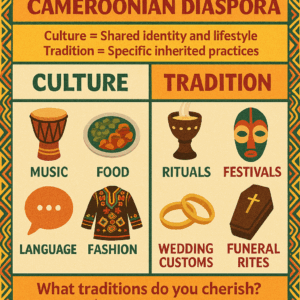
Culture vs Tradition: Understanding the Cameroonian Diaspora Experience

When we talk about identity, two words often come up: culture and tradition. They are closely linked, but they are not the same. Understanding the difference helps us appreciate how Cameroonians in the diaspora maintain their roots while adapting to new environments.


What is Culture?

Culture is the broad set of values, beliefs, and practices that shape how a community lives and interacts. For Cameroonians, this includes:

  • Language: French, English, and indigenous tongues like Ewondo or Fulfulde. In diaspora, Pidgin English often becomes the common thread at social events.
  • Music and Dance: Rhythms like Makossa and Bikutsi remain central, often fused with Afrobeat at parties in London or Paris.
  • Cuisine: Dishes such as Ndolé and Achu soup are staples at weddings and cultural festivals abroad.
  • Fashion: Traditional attire like Toghu is proudly worn at galas, blending heritage with modern style.

Culture evolves. It adapts to new contexts while keeping its essence alive.


What is Tradition?

Tradition is specific inherited practices passed down through generations. These are rituals and customs that carry symbolic meaning. Examples include:

  • Festivals: Diaspora communities recreate elements of the Ngondo Festival or Nguon Festival through storytelling and cultural days.
  • Life-cycle rituals: Weddings often include bride price negotiations and ceremonial dances, even in European venues.
  • Funeral customs: Many families uphold the tradition of repatriating loved ones for burial in Cameroon, reflecting deep respect for ancestral land.

Traditions tend to remain stable, even when adapted for practicality abroad.


Key Difference

  • Wearing a Toghu at a London gala? That’s culture—an expression of identity.
  • Performing a libation ritual during that gala? That’s tradition—a specific inherited practice.

Why It Matters

For Cameroonians in the diaspora, culture and tradition are more than habits—they are bridges connecting past, present, and future. They help us celebrate who we are while embracing where we live.


Your Turn

What traditions do you still practise or cherish in the diaspora? Share your favourite customs, rituals, or cultural experiences in the comments or with your community. Let’s keep the conversation alive and celebrate our heritage together!

Things That Keep Us Busy

Activities For Youth and Adults

Community Event

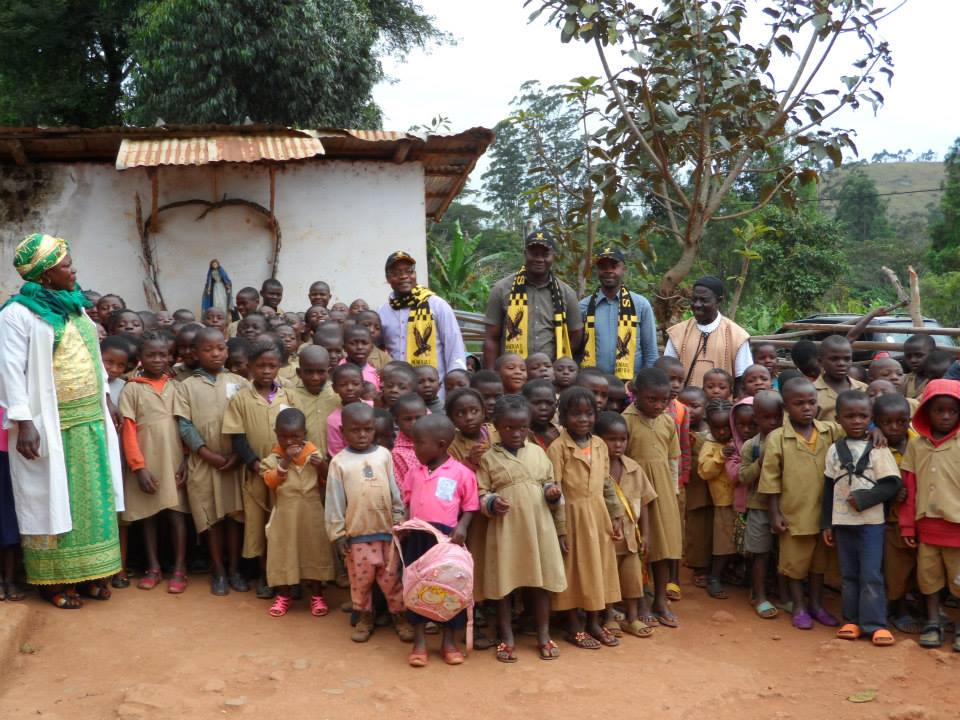
School Donation

Health Centre Support

Youth Learning

Wellbeing Fitness

Special Events

Here you can find a summary of our last meeting and eventually some of the hot talk topics of our road map events.

We are united in purpose, and we work towards meaningful changes.

Contact

© 2025 All right reserved to Menoua Family UK